

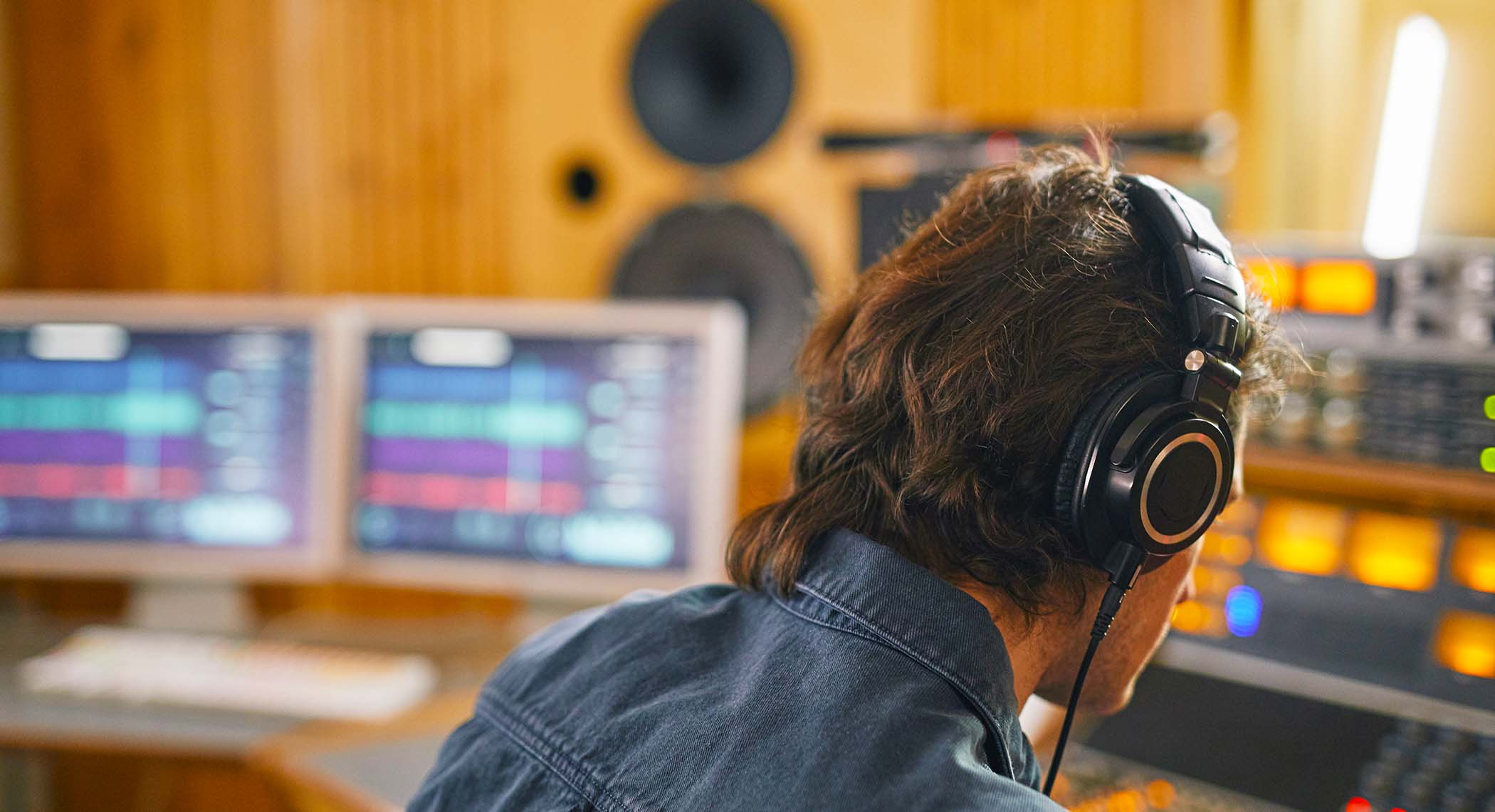
The clank of armor in Spartacus is a set of keys jangled in front of a microphone. The frost creeping toward Rose in Titanic is frozen lettuce, peeled apart leaf by leaf. These are well-known examples of Foley work, but they describe only part of how foley sound design actually functions today. On most productions, a scene’s audio isn’t recorded from scratch: it’s built by selecting, layering, and adapting existing material, with targeted recording sessions added where a library falls short.
Foley Sound Design in Practice: More Selection Than Performance
The term Foley comes from Jack Foley, who in the late 1920s developed the technique of recording sound effects live, synced to picture. That craft still exists, but it has become one option among several, not the default. Most of the real work happens upstream: deciding which sound a scene needs, where to source it, and how much to reshape it. Good foley sound design is measured more by judgment and ear than by the volume of effects performed by hand. The difference between a flat result and a credible one often comes down to choices the audience will never consciously notice.
Selecting and Adapting a Sound Library
In practice, most productions start with a broad, well-curated library. But a stock effect isn’t dropped in as-is: it gets shaped. Tone, timing, reverb, spatial position, each element is adjusted until the sound carries the right weight and rhythm for that specific shot.
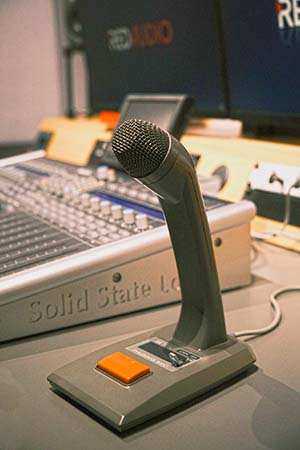
Multiple layers are stacked until the effect sits correctly in the mix. This is tailoring applied to existing material, driven by close listening and small corrections. With sound libraries expanding rapidly, including catalogs built partly through automated generation, available options have multiplied considerably. That’s precisely why the ability to select and adapt well matters more than before: without that judgment, everything starts to sound alike.
Custom Foley Sound Design: When a Library Isn’t Enough
There are moments when no catalog delivers what a scene requires: a prop with a distinctive acoustic character, a creature’s movement, a detail that defines a character. That’s where custom recording comes in, often built by layering real-world sounds, voice elements, and synthesis until the result holds up. At RED Audio, this kind of bespoke work sits within the same post-production pipeline as library selection, from foley sound design through to the final mix. An example of how that integration shapes a finished project is the cinematic sound design work on the award-winning “Taste of India”.
How Production Type and Budget Shape the Work
The balance between library sourcing and custom recording isn’t fixed. A thirty-second spot, a documentary, a video game, and a feature film each have different requirements, timelines, and budgets, and that’s where the decision gets made: where to invest in custom work, and where careful adaptation is the right call. Working that out early, together with the studio, avoids spending where it won’t make a difference and overlooking the details that actually do. This is part of the audio post-production services handled in-house at RED Audio, where foley sound design integrates with dubbing, voice work, and final mix.
For producers and creative directors planning audio post-production, from short films to campaigns, an early conversation helps establish what needs to be built from scratch and what can be sourced with precision, in line with the project’s goals and budget. That’s the starting point for most projects at RED Audio: contacts.